Post content
In digital product creation, we're witnessing a profound shift. Artificial intelligence, with its reduced costs and ease of use, opens up a previously unthinkable path: the hyperpersonalization of applications. It's as if we're returning to craftsmanship, but at a completely new scale.
The industrial revolution and standardization brought us cheaper products, yes, but also more uniform ones. Manual work, craftsmanship, was relegated to very specific areas, often tied to luxury. Think about the difference between a tailor-made suit and the world of fast fashion, or an instrument created by a luthier compared to a factory-made one. Society experienced a great change, with access to increasingly affordable products, but also increasingly similar to each other. Industrialization, in a way, left the individual aside.
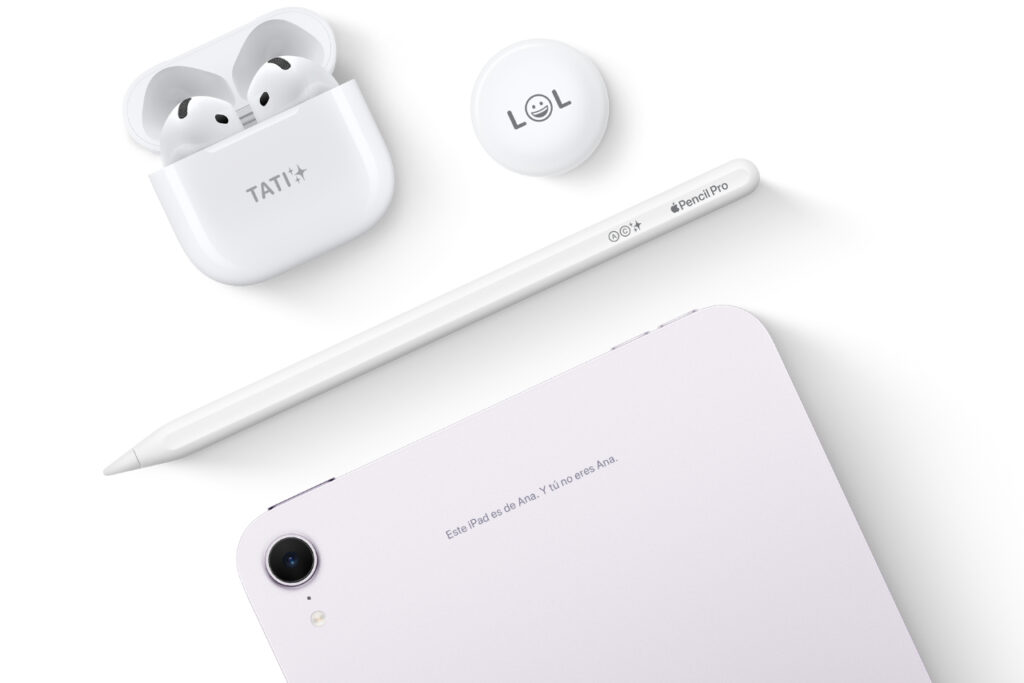
However, technology advanced and companies began to integrate certain levels of personalization into their processes. Being able to engrave your name on Nike sneakers or add laser text to an iPod became real. Small gestures that broke that homogeneity.
In the software world we saw a similar evolution. We went from the generic shelf of VHS tapes in a Blockbuster storefront to the personalized recommendations Netflix offers us based on our tastes. Even Apple, in iOS, has given in to this trend, allowing users to customize their home screen. Something that was unthinkable a short time ago, although it had existed in Android for years.
And now, artificial intelligence enters the scene, reducing development, research and design costs for application creation. Added to this is that anyone with basic knowledge can use tools like Lovable, v0 or Bolt to solve that pain of theirs that big companies hadn't addressed until now.
These advances make designing and developing specific functionalities for each person finally a real possibility. It's a change thanks to which technology can once again focus on the individual, on the unique needs of each user.
–
Follow me on LinkedIn to stay updated on new posts.
–