Post content
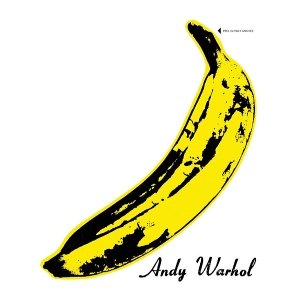
Soundtrack: The Velvet Underground & Nico
–
This reflection originated months ago, in a conversation with some colleagues from Visual MS while we were eating at Restaurante Vilarosa in Redondela, and I've been mentally chewing on it ever since.
I decided to put it into text a few days ago, while reading a Twitter thread by @punk6529 that explained in a very simple and clear way what an NFT is. A totally recommended read that, if you don't know what it is, I recommend before continuing: 1/ What is an NFT?
–
Obviously this post is about Non-Fungible Tokens which, for some time now, I get the feeling have become a way to monetize digital clutter: we all keep a hodgepodge of JPGs/PNGs/tweets/whatever (data in its different forms) of what we like, but we can't say it's "ours".
So there are people paying for NFTs basically to be able to say "this JPG has been minted and has the number 1234-5678-ABCD, therefore it's my property".
The typical thing: there are more than 1,000,000 copies of this work circulating on the internet, but "this one is mine".
I'm going to make a somewhat absurd connection, but the act of paying for an NFT reminds me of when Cattelan presented his work Comedian at Art Basel Miami. It's a clearly ephemeral work but whoever bought it received a certificate of ownership that allowed them to replicate it (copy/paste). That's basically what paying for an NFT means, being able to say "this is mine".
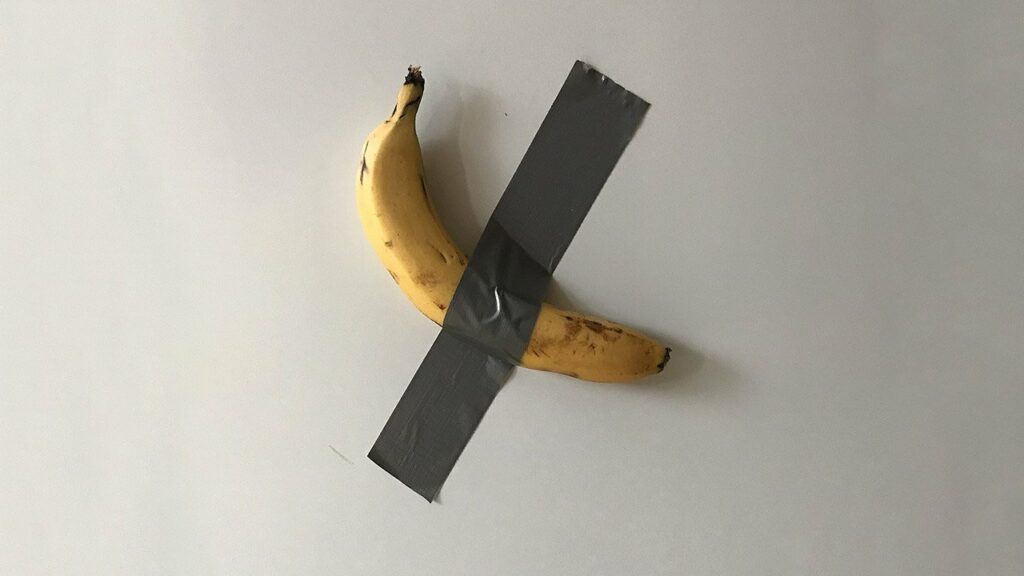
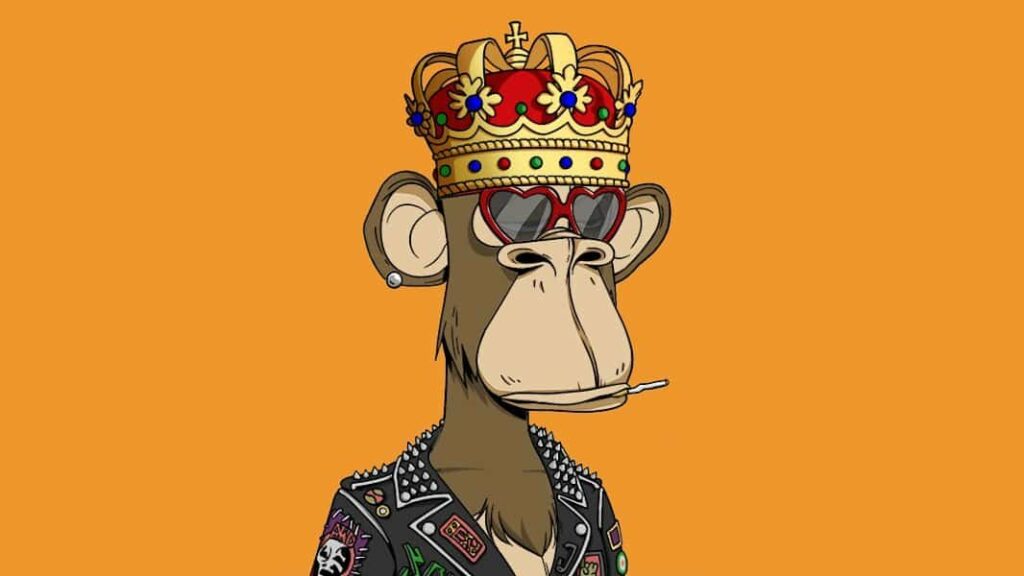
However, the $120,000 paid for Comedian turned into a media scandal. While the 24.4 million dollars paid for a set of 101 NFTs Bored Ape Yacht Club are cool.
On the other hand, some NFT defenders argue that this ease in creating copies and distributing them is a way to democratize art and make it accessible to everyone.
As far as I know, museums aren't mystical places that can only be entered after signing a pact with virgin blood and giving a password transmitted by members of a secret Templar society.
Many of the world's main museums (for example the Prado or the Louvre) also dedicate themselves to digitalizing and disseminating not only copies of their works in JPG format, but also provide information about them, their author, and dedicate themselves to conserving works that are hundreds of years old. They do pedagogical, historical and social work that has more depth than putting another copy of a JPG on Instagram.
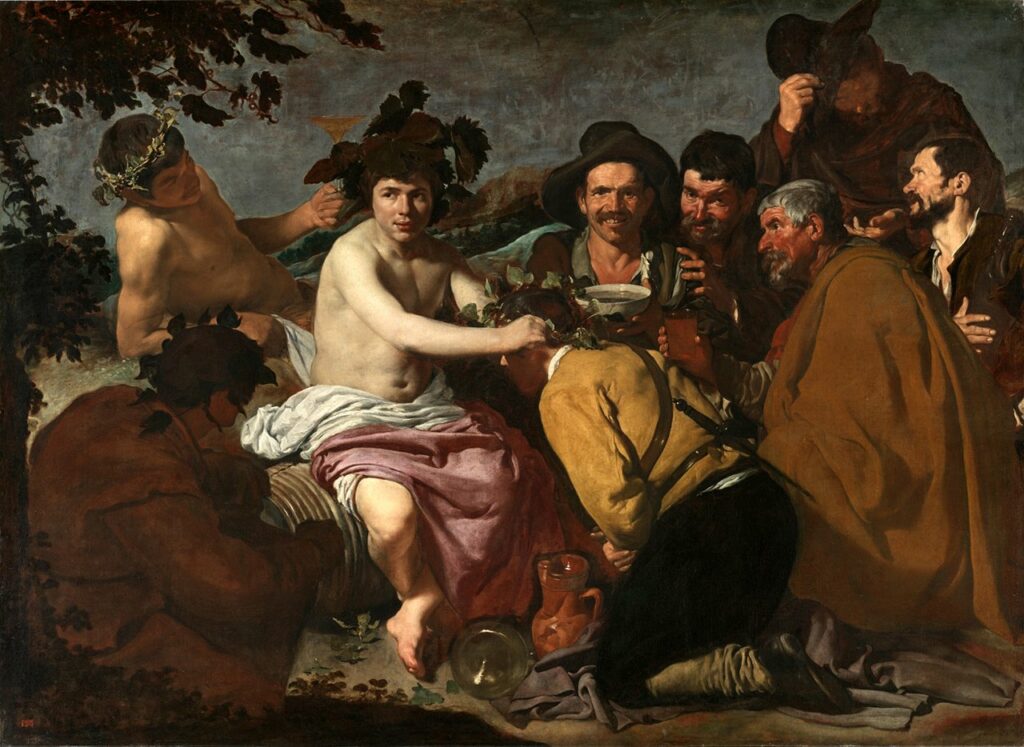
To display a Velázquez to the public requires nurturing and caring for the canvas for hundreds of years, you can't just plug in a Raspberry Pi to the wall.
In summary, the democratization of culture is not exclusive to blockchain. And I don't think it's revolutionary that someone pays to be able to say "this is mine".
Furthermore, and here's a tricky issue: just because something becomes democratized doesn't have to be positive: what good does it do us to disseminate hundreds of thousands of mediocre works?
And watch out, because Photoshop is going to make it easy.
As a counterpoint, museums do a selection job, carried out by experts who, with adequate knowledge, forge criteria for what is art and assess the qualities of a work objectively and contextually.
Will online art become a Operación Triunfo whose winner depends on the whims of NFT buyers?
On the other hand, I've read things like "NFTs will revolutionize the online art world". I don't think being able to say "this JPG is my property" is going to revolutionize online art. Rather, I think what it will achieve is that many people spend a lot of money on data (because they're pure information, not objects) while others get rich by speculating.
Meanwhile, I think what would revolutionize online art would be increasing users' interest in culture and educating them so they forge their own criteria to understand and value it.
Except for exceptions where an NFT is backed by an established work or artist, acquiring them reminds me more of buying trading cards or collectible cards than investing in art. Although maybe it's not such a bad idea seeing the prices handled in Magic.
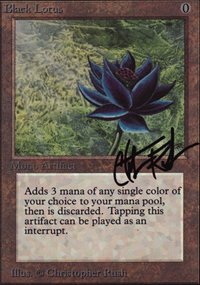
Like all technologies, NFTs are neither good nor bad for art, it all depends on how they evolve and the use they're given.
–
I had the Cattelan work connection very clear for a long time and, reading about the work now, I just discovered on Wikipedia that CryptoGraffit, a cryptocurrency artist, created The Commodity: "which instructed collectors to find and claim a banana with an engraved bitcoin key address".
It's not very different from finding a tokenized JPG among its multiple copies.